03/09/2026
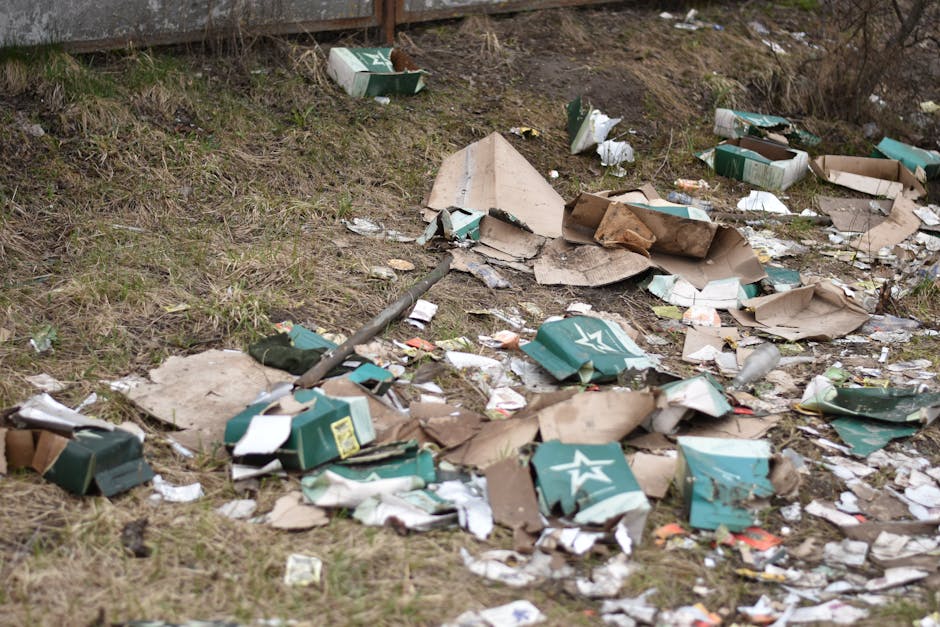
If you need rubbish removal St Helier estate Sutton, you are probably dealing with the same thing...
Waste Disposal Sutton provides a practical service for households, landlords and businesses that need unwanted items collected and taken away in an organised way. Whether the job involves a single bulky item, a room of mixed rubbish, or a fuller clearance, the focus is on managing the load sensibly and leaving the space ready for its next use. Our waste disposal work covers a broad range of everyday removals, with an emphasis on suitable handling, sorting and responsible onward disposal.
Different waste jobs call for different approaches. Some collections are straightforward and can be handled quickly, while others need a more considered plan because of access, item type, volume or where the waste has been stored. We support customers who want a clear, commercial service that deals with the lifting, loading and transport side of the work, then routes items towards suitable disposal or recycling channels where appropriate. From one-off clearances to routine removal needs, the service can be matched to the task rather than forcing every job into the same pattern.
For a quote, it helps to know what needs removing and how the waste is currently stored. If you are comparing options, take a look at our service pages and then send through the details that matter. A concise description of the job is usually enough to start the conversation.
Many requests begin at home, where rubbish can build up after decorating, a clear-out, a replacement of old furniture or a general declutter. Domestic collections are often more varied than people expect because a single load can include bagged rubbish, broken household items, packaging, loose storage goods and small fittings. Our domestic waste collection service is suited to that kind of mixed household load, where the aim is to remove the waste efficiently without making the process complicated for the customer.
Household customers also ask for help with larger clearances when rooms, lofts or storage spaces contain a long-standing mix of unwanted possessions. In those cases, the right plan depends on what is present, how accessible it is and whether anything needs to be separated before collection. Our waste clearance work is designed for that broader remit, while house clearance is useful when a more complete property-based removal is needed. These services are still about careful removal and practical sorting, but they suit different volumes and different kinds of domestic task.
Large objects need a different level of handling from loose rubbish, especially where access is narrow or the item is awkward to lift. Sofas, wardrobes, tables and other bulky goods can require two-person handling and a sensible route out of the property. Our furniture removal service is intended for moving those items away in a managed way, while furniture disposal suits customers who want the item not just taken away, but dealt with through the right disposal route.
White goods introduce further considerations because appliances are heavy, often awkward to manoeuvre and may contain materials that should be separated or handled with care. Fridges, freezers, washing machines and similar items can all need specific attention at the point of collection. Our white goods and appliance disposal service covers that category of removal, so customers have a clear route for item types that are not simply “general rubbish”. A good collection plan starts with identifying whether the object is freestanding, built in or already disconnected.
Business premises, workspaces and shared buildings often generate waste in different patterns from a domestic property. Offices may have old desks, filing, packaging and redundant equipment; shops may have shelving, stock remnants or storage clutter; and commercial units can build up a varied mixture that needs separating before it can leave site. Our commercial waste removal service is aimed at those kinds of premises, where waste needs to be handled with enough structure to fit around trading or building activity.
Where a workplace or managed property has accumulated more than ordinary day-to-day waste, a fuller clearance may be the better option. That can be relevant after a relocation, a refit, a closure or a long period of storage use. Our office clearance service covers desks, office furniture and related contents, while builders waste disposal supports refurbishment and construction jobs where rubble, offcuts and packaging need removing. If the work involves mixed business waste, it is often best to keep the load described as accurately as possible so the collection is matched to the job.
When a commercial enquiry is being prepared, it is useful to note access points, loading restrictions and any time constraints that matter on site. A brief list of the main item types can also help distinguish between general rubbish, bulky furniture, appliance disposal and builders’ waste. That makes it easier to assign the right vehicle size and the right collection method without overcomplicating the booking. Clear information at the start helps the service stay efficient.
Some disposal jobs are not full clearances, but targeted removal from a specific part of the property. Garden waste can include clippings, branches, bagged material, pots and old outdoor clutter, all of which should be separated from ordinary household waste where possible. Our garden waste removal service focuses on taking away that outdoor material in a sensible, tidy manner so the area can be used again without a backlog of debris.
Lofts and similar storage spaces often need a slower, more careful approach because items are boxed, stacked or partly forgotten rather than laid out neatly. The contents can be a mix of old luggage, seasonal goods, broken household items and paper clutter, so sorting is often part of the work. Our loft clearance page covers that type of task. For customers who simply need a more direct collection of loose rubbish, rubbish collection offers a broad option for general removal without turning the job into a bigger clearance than necessary.
Waste disposal pricing normally depends on the nature of the load rather than on a single fixed idea of “a job”. Volume, item type, labour required, ease of access and any separate handling needs can all shape the final figure. That means a neat pile of bagged rubbish may be treated differently from a mixed collection of furniture, appliances and awkwardly placed items. Our prices information is useful if you want to understand the service structure before requesting a quote.
Some jobs are simple enough to describe in a few lines, while others benefit from a fuller note about where the waste is, what needs lifting and whether anything is especially heavy or cumbersome. Our pricing and quotes page supports that stage of the process, and it can help customers compare the practical elements of a collection rather than just looking at the headline service name. If you are still deciding between domestic, commercial or clearance-based help, it is often better to identify the main item types first and then ask for the most suitable option.
Customers often want reassurance that waste is being handled in a proper and lawful manner, particularly when the load includes mixed materials or items that may require special attention. Our insurance and safety page sets out how safety and working practice are treated as part of the service, while the waste carrier licence and compliance page is relevant to the legal side of waste movement and disposal. Those details matter because waste collection is not only about removing items, but also about ensuring they are carried and processed through proper channels.
Responsible disposal also includes sorting materials where suitable, reducing unnecessary landfill use and directing recyclable content into the right streams when possible. Our recycling and sustainability page explains that side of the work in more detail. It is sensible to think of this as part of the service rather than an optional extra: the collection, handling and onward route all belong to the same process, and each part affects the final outcome. Good disposal practice should be straightforward to understand.
Sutton is a south-west London town and the administrative centre of the London Borough of Sutton, with a character shaped by suburban growth, Victorian expansion and later twentieth-century development. The historic core lies around the High Street and the church of St Nicholas, while the town centre contains a mixture of shopping streets, civic buildings and modern commercial spaces. Sutton station helped establish the area as a commuter settlement, and the arrival of rail connections in the nineteenth century played a major role in its growth. The surrounding borough includes a range of residential districts, parks and older village centres that show how the area developed beyond the original market town. Nonsuch Park, on the borough’s boundary with Epsom and Ewell, preserves an important landscape connected to the former Nonsuch Palace estate, while Manor Park provides a more local green space within the town. Sutton’s built environment includes interwar housing, post-war redevelopment and pockets of earlier architecture, creating a varied urban fabric rather than a single uniform centre. The town is also associated with education and healthcare, with Royal Marsden Hospital and the Institute of Cancer Research based nearby in the borough, and that wider institutional presence gives the area significance beyond its retail core. Cultural life is supported by libraries, community venues and the organisation of local events, while the borough’s streets and parks retain a quieter feel than many central London districts. Taken together, Sutton presents the layered history of a London suburb that has grown steadily while keeping links to its older centre and open landscapes.
A sensible disposal plan starts with the kind of material involved. Mixed household rubbish, furniture, appliances, green waste and trade debris all travel through different handling routes, even when they arrive from the same property. For that reason, the best service is the one that matches the load rather than forcing a broad description to do all the work. services overview is the best place to compare the main options and decide which category fits the job properly.
Customers who are not sure whether they need a full clearance or a more focused collection can usually make that decision by thinking about scale and setting. A single bulky item might belong in a furniture or appliance service, a shed or loft may suit a clearance page, and an office or worksite may need a commercial or builders’ disposal route. That simple distinction keeps the enquiry practical and avoids sending the wrong details to the wrong page. If you are unsure, start with the broadest accurate description and refine it from there.
When you are ready, send the details through the contact us page and request a quotation. If you prefer, begin by checking the relevant service page first, then come back with the load description and access notes that will help shape the quote. We can then discuss the most suitable disposal option for your Sutton property or premises.

GET A FREE QUOTE
Our services bring green solutions to your home!
If your looking for affordable waste disposal Sutton services don't waste time and call us today to get the best deals!
 Tipper Van - Waste Clearance and Rubbish Removal Prices in Sutton, SM1
| Space іn the van | Loadіng Time | Cubіc Yardѕ | Max Weight | Equivalent to: | Prіce* |
| Minimum Load | 10 min | 1.5 | 100-150 kg | 8 bin bags | £90 |
| 1/4 Load | 20 min | 3.5 | 200-250 kg | 20 bin bags | £160 |
| 1/2 Load | 40 min | 7 | 500-600kg | 40 bin bags | £250 |
| 3/4 Load | 50 min | 10 | 700-800 kg | 60 bin bags | £330 |
| Full Load | 60 min | 14 | 900-1100kg | 80 bin bags | £490 |
*Our rubbish removal prіces are baѕed on the VOLUME and the WEІGHT of the waste for collection.
 Luton Van - Waste Clearance and Rubbish Removal Prices in Sutton, SM1
| Space іn the van | Loadіng Time | Cubіc Yardѕ | Max Weight | Equivalent to: | Prіce* |
| Minimum Load | 10 min | 1.5 | 100-150 kg | 8 bin bags | £90 |
| 1/4 Load | 40 min | 7 | 400-500 kg | 40 bin bags | £250 |
| 1/2 Load | 60 min | 12 | 900-1000kg | 80 bin bags | £370 |
| 3/4 Load | 90 min | 18 | 1400-1500 kg | 100 bin bags | £550 |
| Full Load | 120 min | 24 | 1800 - 2000kg | 120 bin bags | £670 |
*Our rubbish removal prіces are baѕed on the VOLUME and the WEІGHT of the waste for collection.
If you need rubbish removal St Helier estate Sutton, you are probably dealing with the same thing...

Investing in property is a significant decision, one that requires thorough research and smart...

Moving to a new area can be a daunting prospect, and Sutton is no exception. Nestled in the...

Sutton is one of the most attractive areas in southwest London, known for its excellent schools,...

Nested in the southern part of London lies the peaceful and serene suburb of Sutton.

Planning a party in Sutton and unsure where to host it? Sutton, a charming town, provides an...

 (82)